Functionality of ecological networks (green, blue, black ) along the Juine river
Simulation (SimOïko)
Data processing
Mixed syndicate for the development and maintenance of the Juine river and its tributaries (SIARJA)Institutional actor
September 2021
Jérémie Cornuau
The context
The green and blue network aims to identify, protect, and restore biodiversity reservoirs and ecological corridors that allow species to complete their entire life cycle and movements. The black framework focuses on the specific impact of light pollution on nocturnal species.
The client
The territory of the SIARJA covers 42 municipalities and 5 intermunicipalities.Illustration principale
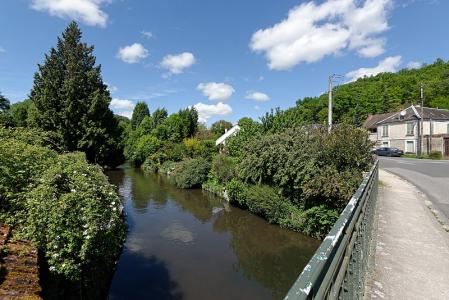
The Juine river at Saclas (Essonne)
The mission
The study involved:- establishing a precise diagnosis of the ecological continuity status of the territory
- co-constructing an action plan to limit their fragmentation
- creating a decision-support tool for the local authorities in the Juine watershed to better integrate biodiversity into their urban planning documents.
Customer needs
Decision support
Facilitate the project process
Ensuring consultation around the project
Develop an action plan
Plan
Propose actions
Awareness raising
DATA NEEDED
FOR THE STUDY
- Light pollution mapping
- Habitat description (under GIS)
- Available open data (IGN, Corine...)
- Scientific literature and expert opinions
METHODOLOGIES
USED
- Statistical data analysis
- Territorial consultation
- Review of scientific literature
- Fauna-flora simulation
- GIS data analysis and processing
- Viewing results
CONTRIBUTION FOR
THE CLIENT
The work carried out by TerrOïko was based on two pillars :- a process of reconciliation and co-construction, necessary to achieve a shared vision among all stakeholders involved, while considering the developmental challenges of the territory.
- the use of scientific methods and technologies for data analysis and modeling (simulation of light pollution, simulation of species population dynamics using our software SimOïko).